Revolutionize Your Outdoor Space: An In-Depth Look of Tree Services and Professional Tree Care
Enhancing outdoor spaces is a complex process that requires a profound understanding of tree services and expert care. Trees play a vital role in elevating aesthetics and promoting environmental balance. From routine maintenance to emergency removal, each aspect contributes to the overall health of the landscape. However, the nuances of tree care can be complex. What essential factors should one consider to secure a thriving outdoor environment?
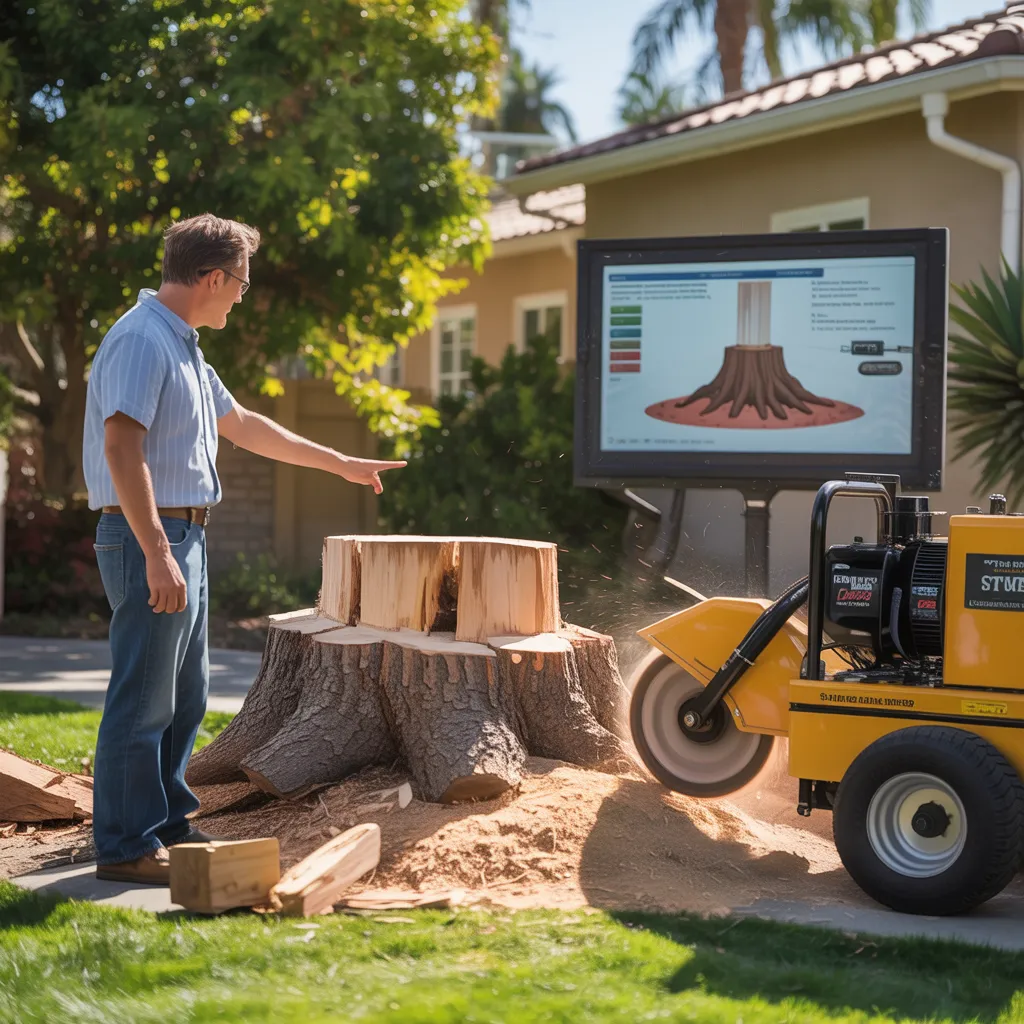
Recognizing the Significance of Tree Maintenance
While frequently neglected, tree care is critical for maintaining both the condition of individual trees and the overall ecosystem. Trees play a vital role in supplying oxygen, enhancing air quality, and supporting wildlife habitats. Proper care assures that trees can flourish, resist diseases, and adapt to environmental changes. Ignoring tree care can lead to numerous issues, such as pest infestations, structural vulnerabilities, and reduced lifespan.
In addition, expertly maintained trees improve property value and provide aesthetic beauty. They also aid in soil conservation and water management by minimizing erosion and sustaining moisture levels. Understanding the significance of tree care extends beyond individual trees; it covers the broader ecological framework that supports biodiversity and climate regulation. By prioritizing tree health, communities can promote a sustainable environment, making certain that future generations reap the rewards of the extensive advantages trees provide. As a result, investing time and resources into tree care is a vital aspect of responsible environmental stewardship.
Routine Maintenance and Pruning Techniques
Routine maintenance and effective pruning techniques are essential for the vitality and lifespan of trees. Knowing diverse pruning approaches can boost growth and structure, while implementing maintenance timelines confirms trees receive prompt care. Combined, these practices foster a thriving landscape and informed tree management.
Pruning Techniques Explained
Pruning plays an essential role in maintaining the health and aesthetics of trees. Various methods exist, each serving particular needs. The thinning method involves strategically eliminating branches to boost light penetration and air circulation, encouraging overall tree vigor. In contrast, the heading method emphasizes shaping the tree by cutting back branches to a specified point, encouraging denser foliage. Reduction pruning, which reduces branches to diminish size while preserving the tree's natural form, is useful for managing growth. Finally, rejuvenation pruning is applied on overgrown trees, greatly cutting back branches to stimulate new growth. Mastering these techniques empowers property owners to enhance their landscape while guaranteeing the longevity and beauty of their trees.
The Significance of Maintenance Schedules
Creating a maintenance schedule is vital for securing the long-term health and vigor of trees. Regular maintenance, including pruning, fertilization, and pest management, facilitates discovering issues early, promoting healthy growth and minimizing disease risk. Pruning techniques, adapted to the species and age of the tree, enhance air circulation and sunlight penetration, creating healthier foliage. Additionally, routine inspections enable timely interventions, such as removing dead or diseased branches before they pose hazards. A well-structured maintenance schedule not only increases the life of trees but also guarantees their aesthetic appeal, contributing positively to the landscape. Ultimately, investing in systematic tree care fosters a thriving outdoor environment that benefits both property owners and the surrounding ecosystem.
Critical Tree Removal Services
In urgent scenarios, emergency tree removal services fulfill a crucial purpose in protecting people and stopping property destruction. When harsh weather situations, such as high winds or storms, cause trees to lose stability, the risk of falling branches or entire trees increases considerably. This volatile situation calls for prompt intervention by trained professionals.
These experts are designed to examine the situation quickly, ascertaining the optimal course of action to extract dangerous trees or limbs safely. This involves specialized equipment and techniques to minimize threat to nearby structures, vehicles, and residents.
Emergency tree removal additionally addresses matters such as obstructed entry points or damaged utility systems, which can aggravate critical conditions. Property owners and managers should possess a reliable emergency tree service contact on hand, providing swift response times during critical situations. Eventually, these services are vital for upholding a safe outdoor environment, specifically during volatile weather situations.
Diagnosing and Managing Tree Health Issues
Detecting and controlling tree diseases is essential for maintaining the health and longevity of trees. Typical tree diseases often show particular symptoms that can be identified through thorough observation. Recognizing these symptoms, coupled with reliable treatment and prevention approaches, is crucial for any tree care program.
Prevalent Tree Diseases
How might tree owners identify and manage the countless diseases that threaten the health of their trees? Widespread tree diseases, such as oak wilt, Dutch elm disease, and root rot, create significant risks to tree vitality. All of these diseases has specific causative agents, often comprising fungi and bacteria that infiltrate tree tissues. Tree owners must be vigilant, as early detection is critical for effective management. Appropriate cultural practices, like maintaining tree health through sufficient watering and pruning, can minimize disease risks. Furthermore, employing integrated pest management strategies assists in controlling disease spread. Consulting with certified arborists can yield valuable insights into specific tree vulnerabilities and treatment options, guaranteeing trees remain resilient and thriving in their environments.
Indicators and Recognition
Recognizing symptoms of tree diseases is an important step for tree owners seeking to preserve the health and longevity of their trees. Common indicators include discolored leaves, which may exhibit yellowing, browning, or spots, often indicating underlying issues. Sagging or drooping branches can suggest water stress or disease. Additionally, unusual growths such as galls, cankers, or fungal fruiting bodies may suggest specific infections. A noticeable increase in insect activity can also be an indication of tree distress. Overall, changes in bark texture or color, along with premature leaf drop, are vital symptoms to monitor. Early recognition of these signs enables owners to seek proper guidance, ensuring trees receive timely care before conditions worsen.
Treatment and Prevention Methods
When homeowners detect indications of tree stress, taking swift action through reliable treatment and prevention methods is essential for maintaining tree health. Thorough diagnosis represents the starting point, usually necessitating expert assessment to identify the precise disease affecting the tree. Common treatment approaches include selective pruning, the application of disease control agents or pest treatments, and optimizing soil conditions to strengthen tree resilience. Proactive steps should also be given priority, such as consistent observation for early signs of disease, guaranteeing proper watering and fertilization, and keeping appropriate spacing between trees for adequate air circulation. Furthermore, acquiring information about local pests and diseases can enable tree owners to implement forward-thinking strategies, ultimately promoting a healthier and more vibrant outdoor environment.
Selecting the Right Tree Service Specialist
Picking the right tree service professional can greatly affect the health and longevity of their trees. When seeking a qualified arborist or tree care service, individuals should focus on credentials and experience. A reputable professional typically holds certifications from accredited organizations, guaranteeing they are trained in the latest techniques and safety protocols.
It's wise to ask for references and examine past work to evaluate the quality of service offered. Furthermore, securing multiple quotes can assist with evaluating market rates and services offered. Potential clients should also inquire about insurance coverage, as this shields against potential liabilities during tree work.
Clear communication is essential; a reputable tree service provider will understand the client's needs and offer thorough explanations of their procedures. Eventually, picking a knowledgeable and reliable tree service can lead to healthier trees and a more beautiful landscape.
Improving Your Landscape Via Tree Planting and Care
Adding trees into a landscape not only boosts its visual attractiveness but also contributes to environmental health. Trees deliver shade, lower energy costs, and enhance air quality, making them vital for any outdoor space. Appropriate tree planting and care are essential for securing their longevity and impact.
Choosing the right species for the given climate and soil conditions is the first step in this process. Moreover, understanding the optimal planting techniques, such as depth and spacing, encourages healthy root development. Regular maintenance, including see information on this watering, pruning, and pest management, ensures trees flourish and integrate seamlessly into the landscape.
Additionally, trees can offer privacy, function as windbreaks, and attract beneficial wildlife. Working with professional tree care services can further improve these benefits by supplying expert advice and services customized for individual landscapes. Finally, thoughtful tree planting and care transform outdoor areas into vibrant, sustainable environments.
FAQ
What Is the Proper Watering Schedule for Newly Planted Trees?
Trees that have been recently planted require deep watering once weekly during dry periods. Regular moisture throughout their first year of growth is vital. Monitoring soil moisture can help determine if additional watering is necessary.
Is It Possible for Tree Roots to Damage My Foundation?
Indeed, tree roots can compromise foundations. As they expand, roots may exert force on soil and structures, potentially leading to cracks or shifting. Correct tree placement and regular inspections can help reduce these risks.
What Are the Warning Signs of a Dying Tree?
Symptoms of a dying tree include yellowing or wilted leaves, significant leaf loss, dead branches, fungus growth, and cracks in the bark. Moreover, a noticeable lean or soft spots in the trunk may indicate poor health.
Are There Specific Trees Better for Small Yards?
Specific trees, including Japanese maples, dogwoods, and dwarf varieties, are ideal for small yards. They deliver aesthetic appeal without overwhelming confined space, offering shade and beauty while maintaining easy growth and care requirements.
How Can I Safely Compost Fallen Leaves?
For safe composting of fallen leaves, one must layer them with green materials, maintain moisture, regularly turn the pile, and monitor temperature. This method ensures efficient decomposition while avoiding problems such as mold and pests.